SIM card or eSIM in Morocco: what to buy at the airport
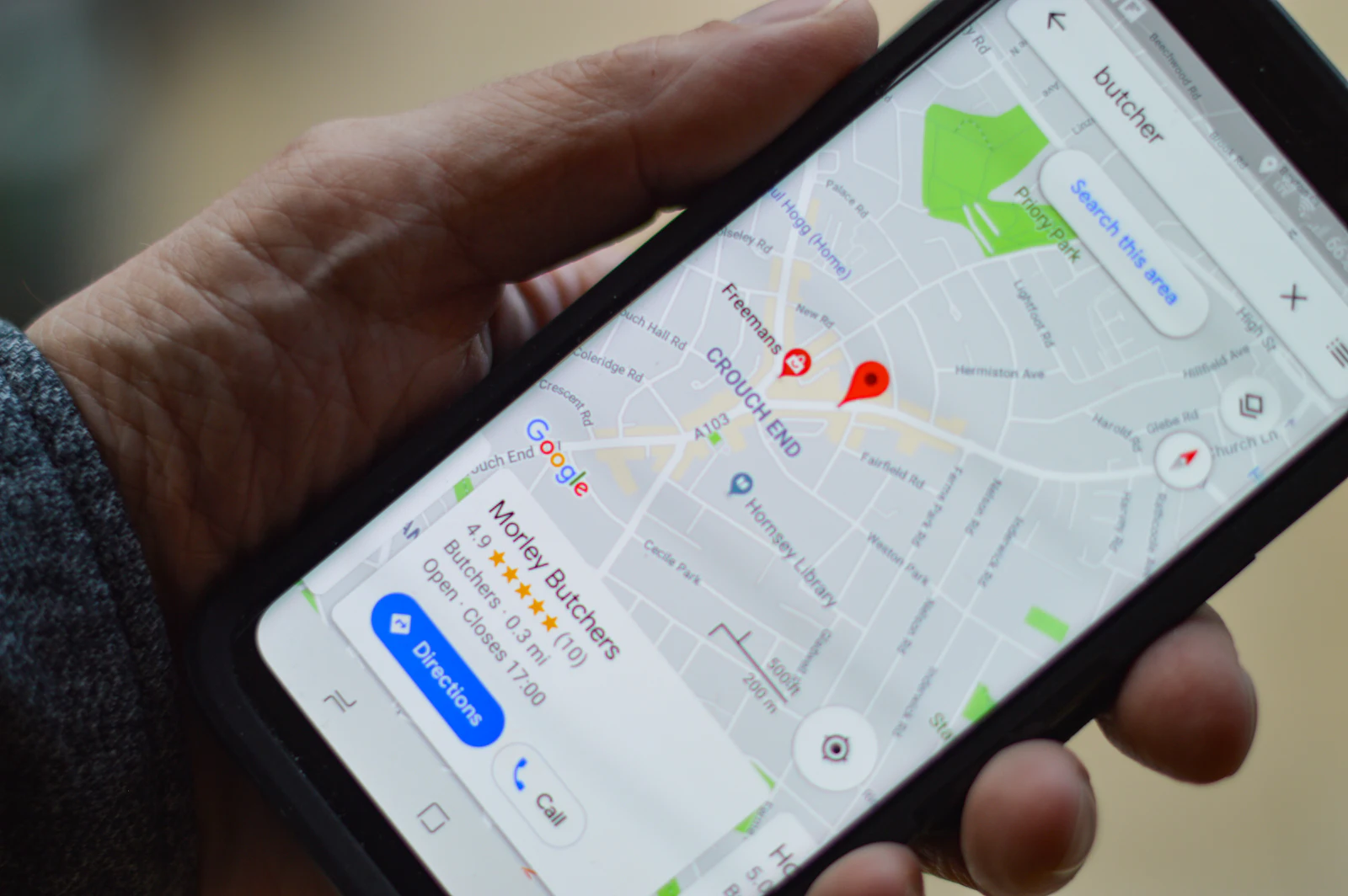
You can buy a Morocco SIM card at the airport from the three national operators, Maroc Telecom, Orange and inwi, with your passport and about ten minutes. At the time of writing a prepaid tourist pack typically costs around 100 to 200 dirhams (roughly €10-20) for 20 GB or more. A travel eSIM bought before you fly costs more for the same data, often two to three times as much, but it is active when the wheels touch down.
Where to buy a Morocco SIM card at the airport
At Marrakech Menara Airport (RAK), the operators' counters stand in the baggage reclaim hall, after passport control and before the customs exit. That detail matters: once you have walked through customs into the public hall you cannot go back in. Buy your SIM while you wait for your suitcase, not after.
The counters are generally staffed for arriving flights, including late ones, but a desk can be closed or short of stock on a very late arrival. Casablanca (CMN), Agadir (AGA), Fes (FEZ), Tangier (TNG) and Rabat (RBA) airports have operator counters or kiosks in their arrivals areas too. If you miss them, every town has operator shops, and prices in town are much the same as at the airport.
What you need
- Your passport. SIM cards are registered to an identity document.
- An unlocked phone. A handset locked to your home network will reject a Moroccan SIM.
- Dirhams or a card. The airport counters generally take international cards. Small shops in town want cash.
Maroc Telecom, Orange or inwi?
All three run 4G across the cities and along the main roads, and their prices move together. The differences show at the edges of the map.
| Operator | Known for | Typical tourist pack (at the time of writing) |
|---|---|---|
| Maroc Telecom | The historic operator, with a long reputation for reach in rural areas, the Atlas and the south | Around 100-200 dirhams for a few tens of GB |
| Orange | Strong in cities and tourist areas, time-limited data passes | Around 120-220 dirhams for 7 to 14 days of data |
| inwi | Competitive prices, good on main roads, generous bundles | Around 200 dirhams for a large data bundle with calls |
Packs and promotions change often, so read the board at the counter and do not rely on last year's figures. For a city break in Marrakech, any of the three will do. For the mountains or the desert, coverage counts more than price: signal comes and goes on the Tizi n'Tichka pass (2,260 m) and on stretches of the road to the dunes, whichever network you choose. Download offline maps before long drives.
Topping up is simple. Recharge cards and electronic top-ups are sold in small grocery shops and tobacconists everywhere, typically from 10 dirhams, which at the usual rate buys around 1 GB.
SIM card or eSIM: which suits you?
A local SIM
The cheapest data by a wide margin, and it comes with a Moroccan number, useful for calling a riad, a restaurant or a guide. The costs are a queue after a flight, a passport check, and taking out your home SIM unless your phone has two slots. Your WhatsApp account stays on your usual number when you swap SIMs, as long as you decline the prompt to change it.
A travel eSIM
You buy it online before the trip, scan a code on Wi-Fi at home and switch it on when you land. There is no counter, no passport, no tray to open, and your home SIM stays in place for incoming texts from your bank. The drawbacks are price, a data-only plan in most cases with no local number, and compatibility: your phone must support eSIM and be unlocked. Check both before paying.
A local eSIM
The Moroccan operators also issue eSIMs, but availability at airport counters varies. Ask, and have a plain SIM as your fallback.
As a rule of thumb: for a stay of three or four days in one city, an eSIM is worth the extra. For a week or more, a road trip or heavy data use, a local SIM pays for itself on the first day. Roaming on your home plan is the third option. Morocco is outside the EU roaming zone, so check your operator's rates before you switch data on.
Do you need data to meet your driver?
Not strictly. On our transfers the driver's name and number reach you on WhatsApp before pickup, so you already have them when you board. He waits at the arrivals exit with a name sign, and the flight is tracked, so you do not need to announce a delay. The private transfer from Marrakech airport to the medina then takes about 15 minutes for 6 km, at €15 in a sedan.
Data helps for everything after that: messaging your riad so someone meets you at the gate, following the route on a map, or reaching the driver if you are held up at passport control. The terminal has Wi-Fi, though it is best not to depend on it. If the SIM queue is long, a short message to the driver avoids any doubt.
The same goes for longer runs. On a transfer from Marrakech to Essaouira, 190 km and 2 h 45, signal is good most of the way and you can confirm your arrival time with your accommodation from the car.
Other things to sort out in the arrivals hall
The SIM is one of three small jobs between the aircraft and the car. The second is cash: see our guide to currency exchange and cash machines on arrival in Morocco, since you will want dirhams for tips and small purchases. The third is transport. If you planned to rely on your phone for that, read which ride apps work in Morocco first, because the answer is not the one most travellers expect.
If you would rather have the car settled before you land, fixed rates for every route are on the transfer prices page, and you can book your airport pickup with payment to the driver on arrival.
Key takeaways
- Maroc Telecom, Orange and inwi sell prepaid SIMs in the arrivals area of Marrakech Menara Airport. Bring your passport and an unlocked phone.
- A tourist pack typically costs around 100-200 dirhams (roughly €10-20) for 20 GB or more at the time of writing.
- At Marrakech the counters are in the baggage hall, before customs. Buy before you exit.
- A travel eSIM costs more and usually has no local number, but it works on landing with no queue.
- Mobile signal is patchy on High Atlas passes and desert roads on every network. Download offline maps.

Comments (0)