Atlas Mountains in winter: snow, road conditions and what to expect
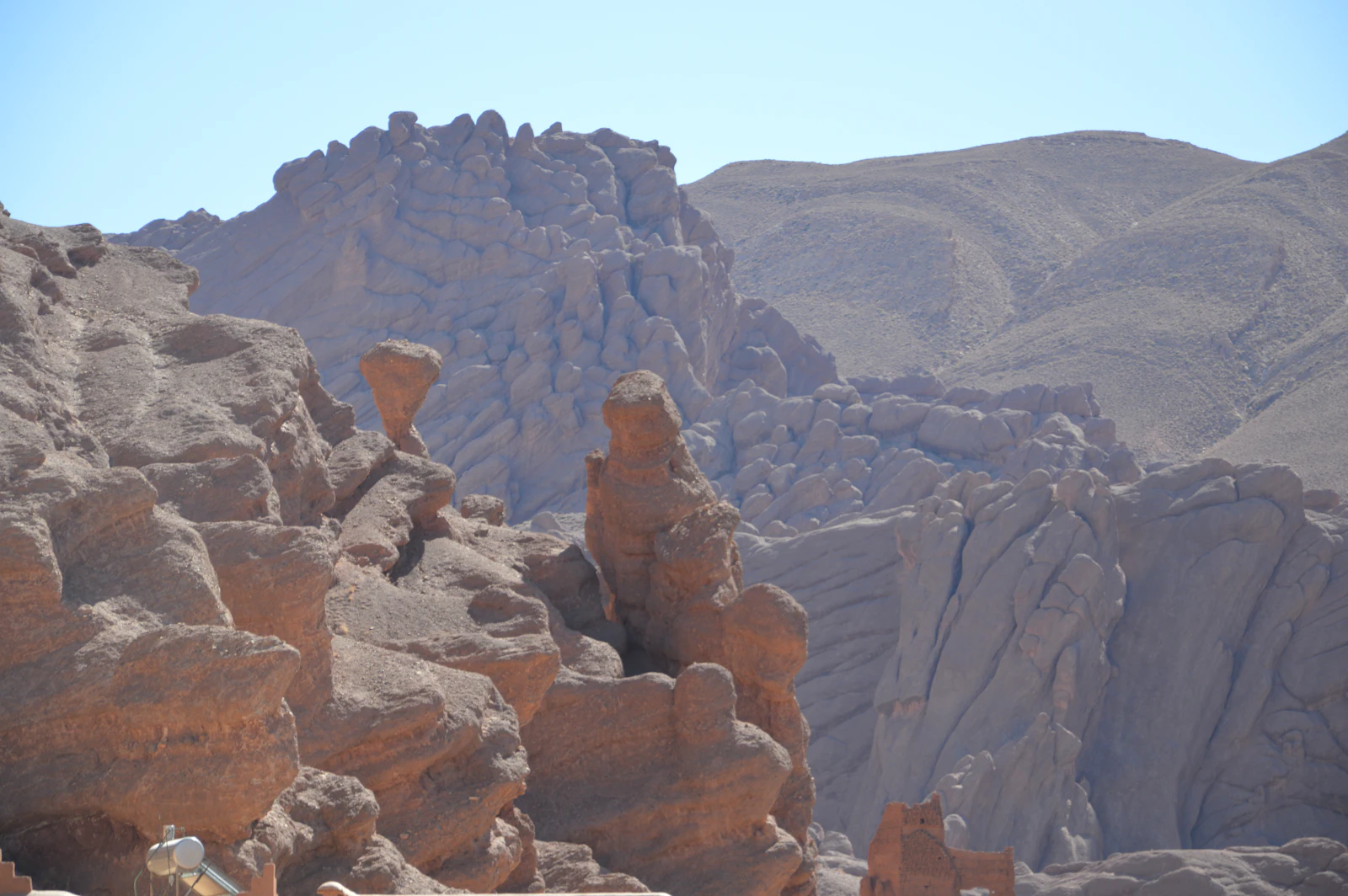
The Atlas Mountains in winter are cold, often snowy above about 1,800 m from December to March, and still very much open to visitors. The valley roads from Marrakech to Imlil, Ourika and Ouzoud are passable on most winter days. The exception is the Tizi n'Tichka pass (2,260 m), which heavy snow can close for a few hours up to a day or two.
Does it snow in the Atlas Mountains in winter?
Yes. The High Atlas rises to 4,167 m at Jebel Toubkal, and the summits usually carry snow from late November or December into April. Snowfall reaches villages such as Imlil (1,740 m) several times in a typical winter, generally between mid-December and early March. It tends to melt on the road within a day or two, while the slopes above stay white.
Marrakech itself, at about 450 m, almost never sees snow. Winter days in the city are mild and often sunny, with cold nights. The contrast is the appeal: on a clear January morning you see the whole snow line from the city's rooftops, and you can stand in it 90 minutes later.
Which roads from Marrakech are affected by snow?
| Destination | Highest point of the road | Typical winter situation |
|---|---|---|
| Ouzoud Falls | About 1,100 m | Snow on the road is rare. Rain and morning fog are the usual issues. |
| Ourika Valley (Setti Fatma) | About 1,500 m | Normally open. After heavy rain, expect debris on the road and a fast, muddy river. |
| Imlil | 1,740 m | Normally open. Snow or ice on the last kilometres after a storm, usually cleared quickly. |
| Aït Ben Haddou and Ouarzazate | Tizi n'Tichka pass, 2,260 m | Closed by the authorities during and after heavy snowfall, then reopened once ploughs have cleared it. |
Rain matters as much as snow. The valleys are steep, and a day of heavy rain brings rockfall and swollen rivers, particularly in Ourika. If the forecast shows a strong front, move the trip by a day. Nothing is lost: the day after a storm is usually the clearest of the week.
What happens when the Tizi n'Tichka pass is closed?
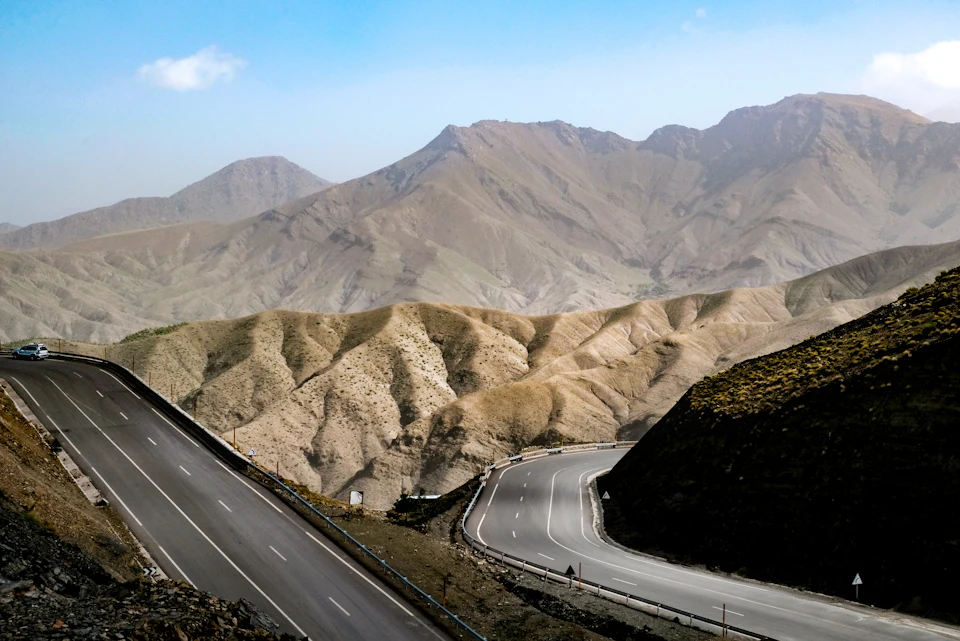
The N9 over the Tizi n'Tichka pass is the only direct road from Marrakech to Ouarzazate and Aït Ben Haddou. When snow or ice makes it unsafe, the Moroccan road authorities and the gendarmerie close it with barriers on both sides. No vehicle crosses: not a bus, not a tour minibus, not a private car. Closures are announced the same day, and drivers who work this road check the status before leaving.
Most closures are short. Ploughs are stationed near the pass and the road often reopens within hours. After an unusually heavy fall it can take a day or two. Practical consequences:
- Do not plan a pass crossing on the day before an international flight between December and March. Keep a buffer night in Marrakech.
- Cross in the middle of the day. Ice lingers in the shaded bends early in the morning and returns after sunset.
- Stay flexible on the date. With us, cancellation is free up to 24 hours before pickup, and we tell you plainly on WhatsApp if the pass looks doubtful.
The long alternative via Agadir and Taroudant avoids the high pass but roughly doubles the driving time, so it only makes sense for a one-way journey, never for a day trip. See our guide to the Aït Ben Haddou day trip from Marrakech for the normal timetable.
Is Imlil worth visiting in winter?
It is one of the best winter day trips from Marrakech. The road through Tahanaout and Asni stays low until the final climb, the walnut groves are bare, and the summits above the village are white. Walks to Armed or along the valley floor need no special equipment on most days, only warm layers and shoes with grip. Our private transfer from Marrakech to Imlil takes about 1 h 30 for 70 km and costs €45 each way in a sedan, the same price in every season.
Climbing Toubkal is a different matter. From roughly November to April it is a winter ascent on snow and ice that calls for crampons, an ice axe and a qualified mountain guide. The logistics are covered in getting to Toubkal from Marrakech, and the gentler village walks in our Imlil day trip guide.
What should you pack for a winter day in the Atlas?
Dress for a 15-degree difference between Marrakech and the mountains. A sunny 18 °C in the city can mean 3 °C and wind in Imlil, and below freezing after dark.
- A warm jacket, hat and gloves, even if you leave the riad in a T-shirt.
- Closed shoes with a proper sole. Paths are muddy or icy, and sandals are a mistake.
- Sunglasses and sun cream: the light on snow at altitude is strong.
- Cash in dirhams for tea, lunch and local guides. Mountain villages have few cash machines.
- A flexible plan. Daylight ends around 17:30 to 18:30 in midwinter, so start by 8:30 and be off the mountain roads by dusk.
Village guesthouses are rarely heated like European hotels. If you stay overnight, ask about heating and hot water before you book.
How do you choose transport for a winter trip?
In winter, flexibility counts for more than price. A group tour runs on its fixed date and may be cancelled on the morning itself if the road closes. A rental car leaves the decision, and the icy bends, to you. A local driver knows where ice forms, checks the road status before departure and can swap the destination if needed: Ouzoud or Ourika instead of a snowed-in pass, for example. All four mountain routes are on our Atlas day trips page, and the day trips ranked by driving time will help you pick a lower, shorter option on a doubtful day.
Key takeaways
- Snow is common in the High Atlas above about 1,800 m from December to March. Marrakech, at about 450 m, stays mild.
- Roads to Imlil, Ourika and Ouzoud are open on most winter days, with brief disruption after storms.
- The Tizi n'Tichka pass (2,260 m) can close for a few hours up to a day or two after heavy snow, and no vehicle may cross while it is shut.
- Keep a buffer night before a flight if your route crosses the pass in winter.
- Expect the mountains to be around 15 °C colder than Marrakech and pack warm layers and closed shoes.

Comments (0)